

How Much Are CPAP Machines?
Understanding Sleep Apnea and CPAP Therapy
Sleep apnea is a sleep-related breathing disorder that affects millions of people worldwide. It occurs when the airway is partially or completely blocked during sleep, causing breathing interruptions. Often people wonder how much are CPAP machines and if they are worth it.
A CPAP machine is commonly used to treat obstructive sleep apnea by delivering continuous positive airway pressure to keep the airway open.
Diagnosis and treatment are key to managing sleep apnea. If a home sleep test is recommended by your Sleep Doctor, we will send you a FDA-approved, simple to setup, home sleep test. Use it for one or two nights. After the test, you’ll send the device back to us for analysis.—just book an appointment online at Sliiip.com.
How to Choose the Right CPAP Machine for Your Needs
Choosing the right CPAP devices is essential for managing sleep apnea effectively. With various options available in the market, understanding the differences and features of each type can help you make an informed decision.
1. Understand the Types of CPAP Machines
BiPAP Machines: These machines deliver two levels of pressure: one for inhalation and another for exhalation. BiPAP machines are often recommended for those who find standard CPAP machines uncomfortable or have additional respiratory conditions.
Standard CPAP Machines: These machines deliver a constant air pressure throughout the night, making them a reliable and straightforward option for many users.
Auto CPAP Machines (APAP Machines): These are more advanced machines that adjust the pressure automatically based on your breathing patterns. If your pressure needs vary throughout the night, an APAP machine may be the right choice.
2. Consider CPAP Machine Features
- Pressure Delivery: Every CPAP machine delivers pressure differently. Some users prefer machines that provide gentler ramp-up pressure, while others may need machines with more precise control for optimal therapy.
- Portability: For frequent travelers, travel CPAP machines or portable CPAP machines are compact, lightweight, and easy to pack. These machines are designed for convenience without compromising on functionality.
- Customization: Look for features such as humidifiers, adjustable pressure settings, and user-friendly interfaces to find the right CPAP machine tailored to your needs.
3. Factor in the Cost for a CPAP Machine
CPAP Machine Cost: The cost can range from $500 to over $3,000, depending on the type and features. Standard CPAP machines are generally the most affordable, while auto CPAP machines and BiPAP machines can be more expensive due to advanced technology.
If you’re on a budget, compare prices and insurance coverage to find the best CPAP machine that fits your financial situation.
CPAP Machine Costs and Insurance Reimbursement
- The cost of a CPAP machine can vary greatly, ranging from $500 to $2000.
- Insurance companies may cover the cost of a CPAP machine, but it depends on the policy and what is covered.
- Some insurance companies require a sleep study to prove medical necessity for a CPAP machine. These insurances cover sleep treatment and CPAP machines.
CPAP Masks for Comfort and Fit
- A CPAP mask is essential for quality treatment of sleep apnea.
- It’s crucial to work with your provider to ensure the mask fits properly to avoid discomfort and interrupted sleep patterns.
- CPAP masks come in different styles and sizes to fit individual needs.
Humidifiers, Hoses, and Cleaning Accessories
- A humidifier can resolve common complaints such as dry mouth, urge to sneeze, and runny nose.
- Hoses come in different lengths and styles to fit individual needs.
- Regular cleaning and maintenance are essential to prevent bacterial growth and ensure the CPAP machine works properly.
4. Evaluate Your Lifestyle
- Travel Machines: If you travel frequently, investing in a travel CPAP machine is a smart choice. These machines are compact and designed to work with various power sources, ensuring you never miss your therapy.
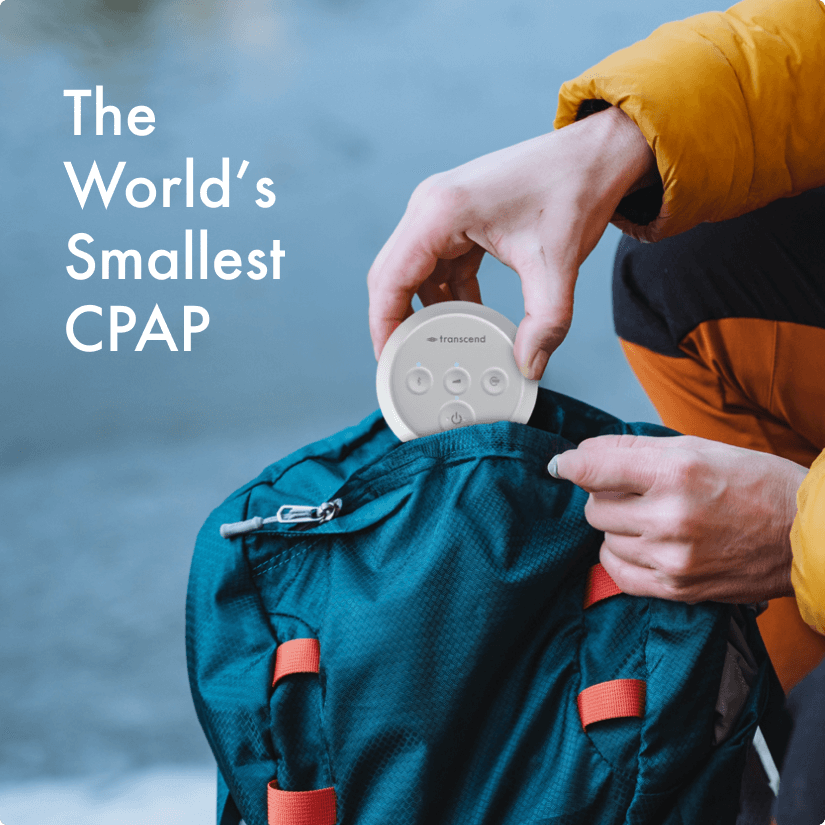
- Daily Use vs. Portability: If you mostly use your CPAP machine at home, a standard model may suffice. For those who need flexibility, a portable CPAP machine is a better option.
5. How a CPAP Machine Takes Care of Your Sleep
- The CPAP machine delivers constant or variable air pressure to keep your airways open while you sleep. This helps reduce snoring, improve oxygen levels, and ensure restful sleep.
- Machines like APAP machines and BiPAP machines offer advanced features to make your therapy more comfortable and effective.
6. Consult Your Doctor
- Your sleep doctor can help you choose the right machine based on your sleep study results and personal preferences. They may recommend a specific type of machine, such as an auto CPAP machine, if your pressure requirements fluctuate.
By considering these factors, you can select the best CPAP machine that meets your specific needs, ensuring effective treatment for sleep apnea and improved quality of life. Whether you’re looking for a standard CPAP machine for home use or a travel CPAP machine for convenience on the go, understanding the features and costs will help you make the best decision.

How to Choose the Right CPAP Machine for Your Needs
How Does a CPAP Machine Work?
- A CPAP machine takes in room air, filters it, and pressurizes it according to individual needs.
- The machine delivers the air to the user via a tube and mask.
- A CPAP machine delivers one continuous pressure level of air, specifically adjusted according to the patient’s needs by a licensed professional, to keep the airway open during sleep and treat sleep apnea.
Choosing the right CPAP machine can be a daunting task, especially for those new to sleep apnea treatment. With so many options available, it’s essential to consider several factors to ensure you find the best machine for your needs. Here are some key factors to consider when selecting a CPAP machine:
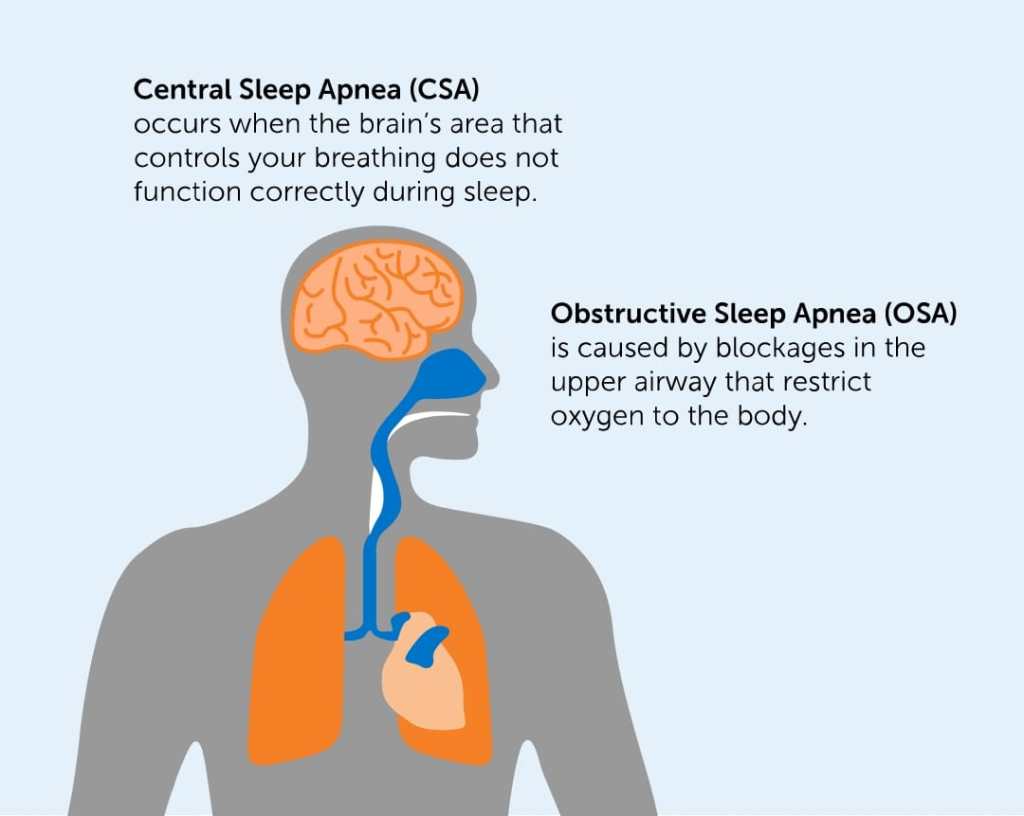
- Type of Sleep Apnea: Different types of sleep apnea require different types of CPAP machines. For example, obstructive sleep apnea (OSA) can be treated with a standard CPAP machine, while central sleep apnea (CSA) may require a more advanced machine with bilevel positive airway pressure (BiPAP) capabilities.
- Pressure Settings: Consider the pressure settings you need. If you have mild sleep apnea, a fixed pressure machine may be sufficient. However, if you have more severe sleep apnea, an auto-adjusting pressure machine (APAP) may be more effective.
- Mask Comfort: A comfortable mask is crucial for successful CPAP therapy. Consider the type of mask you prefer, such as a nasal mask, full-face mask, or nasal pillow mask. The right CPAP mask can make a significant difference in your comfort and compliance with the therapy.
- Noise Level: If you’re a light sleeper, look for a machine with a low noise level or a silent operation feature. This can help ensure that the CPAP machine doesn’t disturb your sleep or that of your partner.
- Portability: If you travel frequently, consider a portable CPAP machine that is compact and lightweight. Travel CPAP machines are designed to be easy to pack and use on the go, ensuring you never miss your therapy.
- Humidification: If you experience dry mouth or nasal congestion during CPAP therapy, consider a machine with a built-in humidifier. Humidifiers can add moisture to the air, making the therapy more comfortable and reducing side effects.
- Data Tracking: If you want to monitor your sleep data, look for a machine with a built-in data tracking feature or compatibility with a sleep tracking app. This can help you and your healthcare provider track your progress and make necessary adjustments to your therapy.
- Cost: CPAP machines can vary significantly in price. Consider your budget and whether your insurance covers the cost of the machine. Comparing prices and insurance coverage can help you find a machine that fits your financial situation.
- Brand and Warranty: Research the manufacturer’s reputation and warranty offered. A reputable brand with a comprehensive warranty can provide peace of mind and ensure you have support if any issues arise with your machine.
- Customer Support: Look for a manufacturer with excellent customer support, including online resources, phone support, and in-person support. Good customer service can help you troubleshoot any problems and ensure you get the most out of your CPAP therapy.
By considering these factors, you can find the right CPAP machine for your sleep apnea treatment needs and improve the effectiveness of your therapy. Whether you need a standard CPAP machine, an auto CPAP machine, or a BiPAP machine, taking the time to choose the right device can make a significant difference in your sleep quality and overall health.
Insurance Payment for CPAP Machines
Coverage for Continuous Positive Airway Pressure (CPAP) machines varies among insurance providers and specific plans. Here’s an overview of how some of the listed companies handle CPAP coverage and potential out-of-pocket costs. The cpap machine cost can vary significantly depending on factors such as brand and insurance coverage.
Kaiser Permanente:
- Coverage: Kaiser Permanente typically covers CPAP machines under their Durable Medical Equipment (DME) benefit, provided the treatment is deemed medically necessary. This usually requires a diagnosis of sleep apnea confirmed by a sleep study.
- Out-of-Pocket Costs: Your expenses depend on your specific plan’s deductible, copayment, and coinsurance terms. Some plans may cover the full cost after the deductible is met, while others might require a copayment or coinsurance. It’s essential to review your plan documents or contact Kaiser Permanente directly to understand your potential expenses.
Medicare:
- Coverage: Medicare Part B covers CPAP therapy if you have been diagnosed with obstructive sleep apnea. After meeting the Part B deductible, Medicare typically covers 80% of the approved amount for a CPAP machine under a 13-month rental agreement, after which you own the machine. A physician’s order following a sleep study is required.
Cigna:
- Coverage: Cigna typically covers CPAP machines under their Durable Medical Equipment (DME) benefit, provided the treatment is deemed medically necessary. This usually requires a diagnosis of sleep apnea confirmed by a sleep study from a healthcare provider.
- Out-of-Pocket Costs: Your expenses depend on your specific plan’s deductible, copayment, and coinsurance terms. Some plans may cover the full cost after the deductible is met, while others might require a copayment or coinsurance. It’s essential to review your plan documents or contact Cigna directly to understand your potential expenses. When using a CPAP machine, it is important to consult healthcare providers to ensure the medical necessity of using a CPAP machine.
Continuous positive airway pressure (CPAP) and bilevel positive airway pressure (BiPAP) are both machines that deliver pressure to the airway to treat conditions like sleep apnea. CPAP uses a fixed pressure to maintain continuous positive pressure, ensuring the airway stays open throughout the night. In contrast, BiPAP adjusts the air pressure, offering a higher pressure during inhalation and a lower pressure during exhalation, making it more comfortable for some patients.
Seek expert advice from a sleep provider to ensure you’re using your CPAP machine correctly.
Dr. Avinesh Bhar
Maintaining Your CPAP Machine for Effective Sleep Apnea Treatment
Maintaining your CPAP machine is crucial for effective sleep apnea treatment. Regular cleaning and maintenance can help prevent bacterial growth, reduce the risk of illness, and extend the life of your machine. Here are some tips to help you maintain your CPAP machine:
- Clean Your CPAP Machine Regularly: Use a soft cloth and mild soap to wipe down the machine, mask, and tubing. Avoid using harsh chemicals or abrasive materials that can damage the equipment.
- Replace Filters Regularly: Check your machine’s manual for the recommended filter replacement schedule. Replacing filters regularly can help ensure that your machine is delivering clean air and preventing bacterial growth.
- Check and Replace Tubing: Inspect your tubing regularly for signs of wear and tear. Replace the tubing every 6-12 months or as recommended by the manufacturer.
- Use a Humidifier: A humidifier can help reduce dryness and discomfort associated with CPAP therapy. Make sure to clean and maintain your humidifier regularly to prevent bacterial growth.
- Store Your Machine Properly: Store your CPAP machine in a dry, clean environment. Avoid exposing the machine to extreme temperatures or humidity.
By following these tips, you can help maintain your CPAP machine and ensure effective sleep apnea treatment. Remember to always follow the manufacturer’s instructions for maintenance and cleaning, and consult with your healthcare provider if you have any questions or concerns.

